
Understanding Screenshot Tools
In the rapidly evolving digital landscape of 2026, screenshot tools have become an indispensable utility for professionals and casual users alike. Whether you’re a software developer documenting code execution, a designer sharing visual mock-ups, or an educator presenting materials, the ability to capture and annotate screens enhances communication and collaboration. With the rise of remote work and online education, it’s crucial to choose a tool that not only captures images effectively but also integrates with modern workflows. For comprehensive insights, 截图工具 play a pivotal role in streamlining these processes.
What are Screenshot Tools?
Screenshot tools are software applications that enable users to capture and edit images of their screen. They can capture the entire screen, specific windows, or selected portions, providing flexibility in how visual information is documented. In addition, modern screenshot tools often come equipped with features that allow users to annotate their captures, add text, or apply effects to enhance clarity and understanding.
Importance of Efficient Screenshotting
Efficient screenshotting is vital for several reasons. First, it enhances communication by allowing users to visually convey information, which can be particularly useful in collaborative settings. Second, it can save time by enabling quick sharing of visual data rather than lengthy descriptions. Lastly, it supports better documentation of processes and outcomes, which is essential for project management and accountability.
Key Features to Look For in 2026
- Multi-platform Support: The best screenshot tools work across various operating systems, including Windows, macOS, and Linux.
- Image Annotation Tools: Look for features that allow you to add text, shapes, and markers easily to your screenshots.
- OCR Capabilities: Optical Character Recognition (OCR) is becoming essential, enabling users to extract text from images efficiently.
- Cloud Integration: With remote work on the rise, cloud storage options for easy access and sharing have become crucial.
- Customizable Shortcuts: Users appreciate being able to set and customize keyboard shortcuts for a smoother workflow.
Top Screenshot Tools for Various Platforms
Best Screenshot Tools for Windows
Windows users have a plethora of screenshot tools at their disposal. One standout option is Snipaste, which provides a versatile way to capture and annotate screenshots easily. Its ability to recognize UI elements makes it particularly useful for designers and developers. Other notable tools include Greenshot and Snagit, both of which offer robust features tailored to professional environments.
Comparing macOS and Linux Options
On macOS, built-in tools like Grab and Preview are effective for basic needs, but advanced users often turn to software like Skitch or Lightshot for their enhanced features. Meanwhile, Linux users can use tools like Flameshot or Shutter, which provide powerful customization options and excellent integration with the operating system. Both systems benefit from tools that support rapid sharing and editing capabilities.
Mobile Version Insights
While desktop screenshot tools are prevalent, mobile platforms are catching up. Apps like Snipaste are planning to release mobile versions, which will greatly enhance mobile users’ ability to capture and share information seamlessly. This expansion into mobile platforms is crucial as more users operate primarily from smartphones and tablets.
Advanced Features of Modern Screenshot Tools
Utilizing OCR Capabilities
OCR technology has transformed the way we interact with screenshots. By allowing users to extract text from images, OCR enhances productivity significantly. This feature is particularly valuable in educational settings, as it enables quick referencing of lecture materials or online resources. Tools like Snipaste leverage OCR to ensure that even handwritten notes can be digitized and utilized effectively.
Integrating with Collaboration Tools
As teamwork increasingly relies on digital platforms, integrating screenshot tools with collaboration software such as Slack or Microsoft Teams is essential. This integration facilitates real-time sharing of captured images, enhancing communication within teams. Advanced screenshot tools now offer plugins or built-in functionalities that allow seamless interaction with these platforms.
Real-time Annotation and Sharing
Modern screenshot tools are not just about capturing images; they allow for real-time annotation and sharing, which is critical in collaborative environments. Users can annotate screenshots on-the-fly and share them directly with colleagues, reducing the time spent on back-and-forth communication. This feature improves workflow efficiency and helps teams maintain momentum on projects.
Best Practices for Using Screenshot Tools
Streamlining Your Workflow
To maximize efficiency with screenshot tools, users should adopt best practices such as setting up custom shortcuts for frequently used functions. Tailoring these shortcuts to fit individual workflows can significantly speed up the capture and annotation process. Furthermore, organizing screenshots into folders based on projects or categories can prevent clutter and make retrieval easier.
Effective Annotation Techniques
When annotating screenshots, clarity is key. Use contrasting colors for text and shapes to improve visibility. Additionally, labeling important elements directly in the screenshot helps avoid confusion, especially when sharing with team members who were not part of the original context. Always aim to keep annotations concise and relevant to the captured image.
Common Mistakes to Avoid
- Neglecting to Organize Captures: Failing to categorize screenshots can lead to inefficiency in locating important visuals later on.
- Overcomplicating Annotations: Excessive markings can detract from the main message; keep it simple.
- Inefficient Sharing Practices: Always utilize integrated sharing options to avoid the hassle of manual uploads and attachments.
The Future of Screenshot Tools: Trends for 2026 and Beyond
AI Innovations in Screenshotting
The integration of AI in screenshot tools is set to revolutionize how users interact with their captures. Future tools may utilize AI to automatically suggest annotations or highlight critical areas of interest based on user behavior and context. This predictive element can save time and streamline the creative process.
Emerging Features to Expect
As screenshot tools evolve, expect to see features like automated tagging and organization based on content analysis. This capability can greatly enhance user productivity by automatically sorting captures into relevant categories, making retrieval fast and straightforward. Additionally, integration with artificial intelligence for image enhancement and editing is on the horizon.
Impact of Multi-screen and HiDPI Support
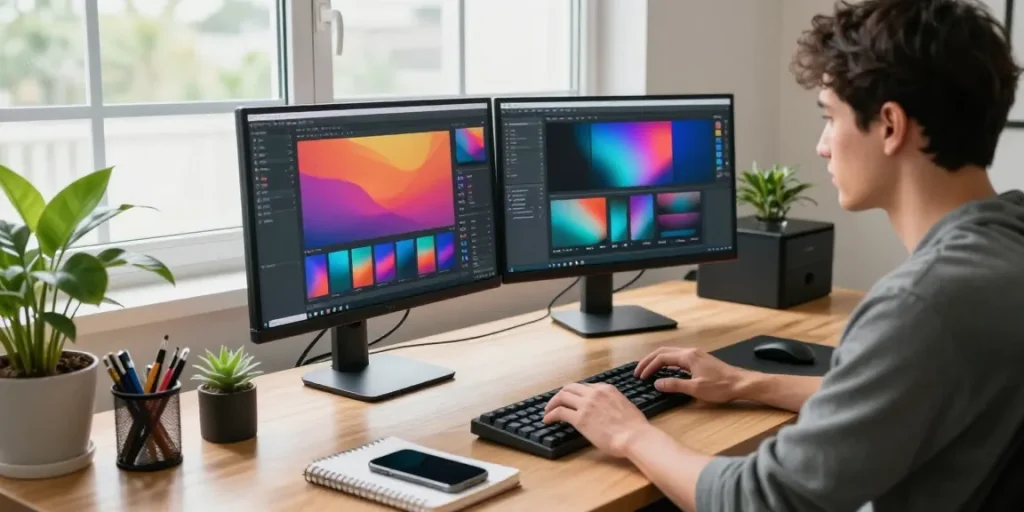
With the widespread adoption of multi-monitor setups and High DPI displays, screenshot tools must adapt to handle various resolutions and scaling options. This ensures that images captured from different screens retain clarity and detail, which is crucial for detailed design work and technical documentation. Tools that can seamlessly adapt to these needs will lead the market.
What are the main benefits of using screenshot tools?
Using screenshot tools streamlines communication by providing visual context, saves time with quick sharing, and enhances documentation processes.
How does OCR enhance the functionality of screenshot tools?
OCR allows users to extract text from images, making it easier to reference and utilize information captured in screenshots.
Are there free versions of screenshot tools available?
Many screenshot tools offer free versions with essential features, allowing users to experience the software before committing to a premium version.
How can I optimize my screenshotting process?
Optimize your screenshotting process by customizing shortcuts, organizing your captures systematically, and employing effective annotation techniques.
What future trends should I watch for in screenshot software?
Watch for advancements in AI integration, automatic content organization, and improved multi-screen support as key trends in the future of screenshot tools.



More Stories
telegram官网: The Secret Weapon Tech Enthusiasts Are Using to Enhance Communication in 2026
Best Telegram官网 Alternatives You Should Consider in 2026
telegram官网 According to Top Communication Analysts: Essential Insights for 2026